



Rapid position insight.
Get an early view of claim strength, exposure, urgency, deadlines and the records likely to matter before time and cost escalate.
Construction & engineering dispute position review
Get an early, expert-led view of your claim or defence before committing more time and money. Understand the evidence, contractual risks and options for your next step.
Expert-led review. Scope, fee and timing agreed upfront.
A controlled first step · Position review
Focused on what to improve before you proceed. Examine your current position, understand where your claim or defence appears strongest, and identify the practical work needed to make it more robust.
Get an early view of claim strength, exposure, urgency, deadlines and the records likely to matter before time and cost escalate.
Structured tools help organise the record. Expert judgement frames entitlement, causation, liability, quantum, risk and strategy.
See how to strengthen your position: notices, evidence gaps, programme logic, quantum support, negotiation options and escalation routes.
A clear view of the issue.
A basis for the next conversation.
The work is recorded. Authority and value still need to be tested.
Compare the offer, negotiation and a formal route, including costs, time and payment risk.
Check the instruction. Support the valuation. Set a negotiation position and a fallback.
Start with the records you have. We agree the scope, fee, timing and depth of the review before work begins.
How we build the assessment
AI-assisted review brings the record into focus. Game theory helps test the next move. Construction expertise turns both into practical judgement.
Talk through your situationAI helps organise documents and connect the issues. The review considers evidence that challenges your position as carefully as evidence that supports it.
Game theory makes incentives, possible responses and negotiation choices explicit. Explore how a move could change your position, with assumptions in view.
Construction and commercial expertise tests entitlement, causation, liability, programme evidence and quantum. You receive a reasoned view of your options, with uncertainties clearly explained.
Construction dispute services
For owners, employers, contractors, subcontractors, consultants, legal teams, insurers, funders and project sponsors.
Get a clearer position before negotiation, adjudication, arbitration, litigation or a settlement decision.
Start a position reviewUK and international projects. Tell us the contract, country and issue so we can confirm the right scope and any need for specialist or local advice.
See the approach in action
Follow a fictional £240k steelwork claim and £140k offer. See how reviewing the evidence changes the questions to ask, the options to compare and the next action to take.
Step 01 / Records
Bring together contracts, correspondence, drawings, programmes and cost records. Establish what is available, what is missing and where each record fits.
A structured record of the claim, with gaps clearly identified.

Step 02 / Analysis
Assess the dispute, urgency and contractual deadlines. Connect the evidence to the issues, the potential exposure and the other party’s position.
Here, the additional work is recorded. Instruction, authority and value need closer review.

Step 03 / Focused review
An expert examines the priority evidence and relevant contract terms. Here, that means checking who instructed the extra steelwork, their authority and how the value is supported.
Targeted findings: what is supported, what remains uncertain and which record to obtain next.
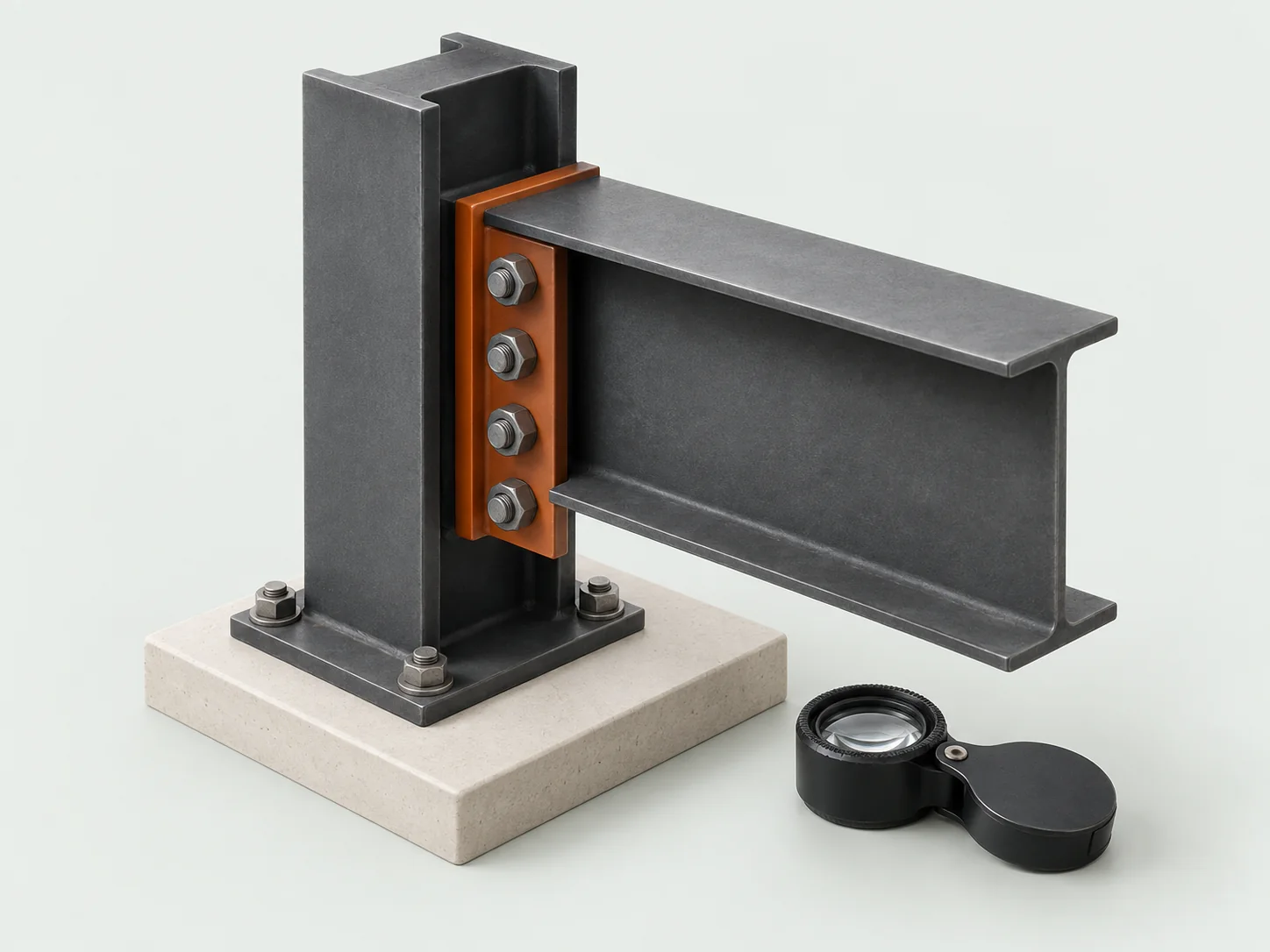
Check wording, authority and scope against the contract and site records.
Step 04 / Positioning
Bring strengths, weaknesses and remaining gaps into a clear position. Compare potential receipts with further costs, time and the other party’s ability to pay.
Supported: the work is recorded.
Unresolved: instruction, authority and value.
A favourable assessment or award does not guarantee receipt of payment.
Next: model your strategy
| Route | Receipt* | Cost | Net* |
|---|---|---|---|
| Accept offer | £140k | £10k | £130k |
| Negotiate scenario | £180k | £20k | £160k |
| Formal route scenario | £200k | £65k | £135k |
Assuming payment: £5k more after costs than the offer.
*Assumed receipts, subject to outcome and payment. Future costs only; timing, past costs and tax excluded. £180k is a negotiation scenario, not an offer.
Step 05 / Strategy
Explore how the other party might respond, what each route could achieve and what it may cost. Use the scenarios to decide what to do next—and when to change course.
Choose a route, define the next action and set a point to review the strategy.
Select an illustrative scenario to see the possible outcomes and next action.
Check instruction, authority and value before using a scenario to support a decision.
Illustrative scenarios, not forecasts or recommendations. Costs carry through from Step 04. Outcomes and payment remain uncertain.
Before you start
The agreed review brings together a position summary, the important evidence gaps, a comparison of strategic options and practical next steps. The depth of the review and discussion of the findings are agreed at the outset.
No. Start with what you have. We can identify the important gaps and agree which further records would make the review useful.
We first understand your issue, records and priorities. Scope, fee and timing are agreed before the review begins.
No. It is expert-led decision support. Technology can help organise the record; professional judgement is needed to assess its meaning. Legal advice and any formal dispute process need the appropriate professional appointment.
Tell us the contract, country and issue. We will confirm whether we can assist and whether a specialist or local adviser is needed.
Make the next move with a clearer view
Variations, delay, disruption, disputed payment or a final account. Start with the issue and the decision you face.
Discuss your disputeScope, fee and timing agreed before we begin.